The Local Solution To Rising Waste Processing Costs
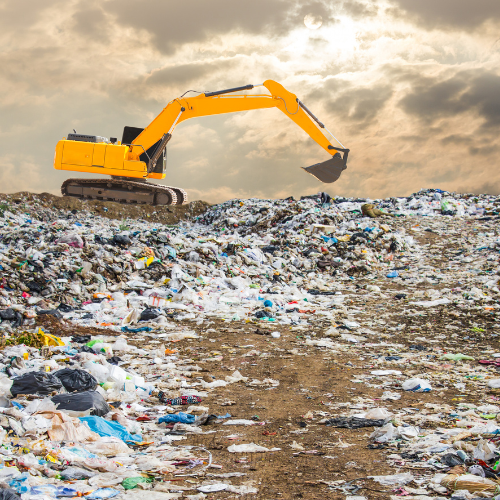
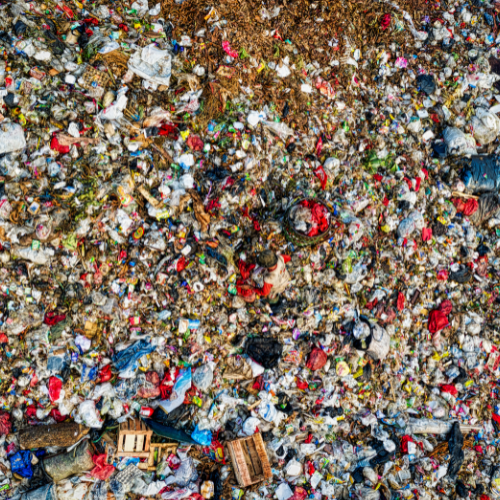
The UK waste sector faces a high-cost squeeze driven by soaring gate fees, shrinking landfill capacities, and expensive long-haul transport.
Moving waste hundreds of miles just to find an outlet eats directly into operating margins whilst removing valued employees from your site.
Small Waste Incineration Plants (SWIPs) offer a direct, local solution to all of this - processing up to 3 tonnes per hour (~24,000 tonnes per year) of residual waste directly on-site to bypass national bottlenecks, eliminate third-party reliance, and convert waste into reliable heat or power.
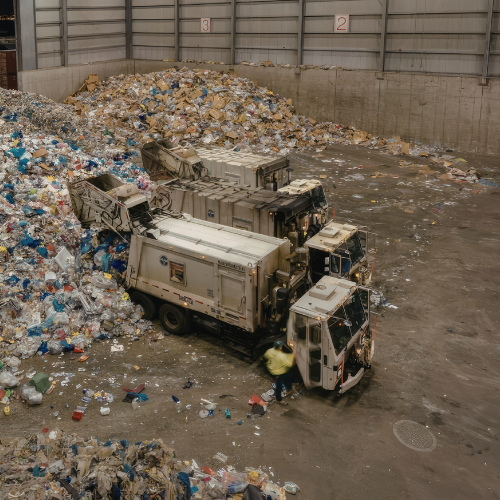
Eliminate Gate Fee Volatility
Escape rising third-party disposal costs: Processing waste directly on-site insulates your business from unpredictable gate fee hikes and shrinking regional landfill capacities.
Lock in long-term predictability: Take total control over ongoing operational expenses instead of remaining at the mercy of external disposal markets.
Protect your bottom line: Shield your operations from aggressive market fluctuations and secure a fixed, reliable baseline for your ongoing waste management overhead.
Insulate against regulatory surcharges: Protect your business model from future landfill tax escalations and tightening regional disposal constraints by handling your residual waste streams independently.
Slash Transport & Fuel Expenses
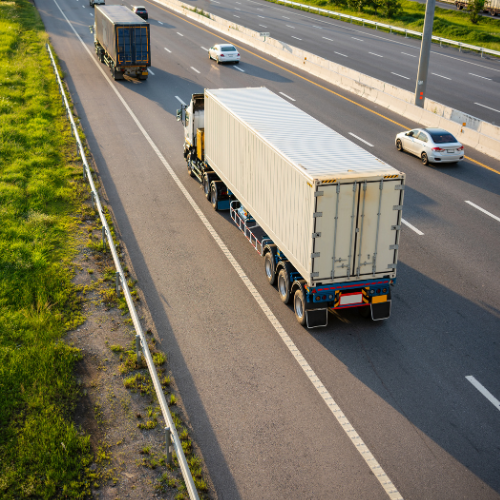
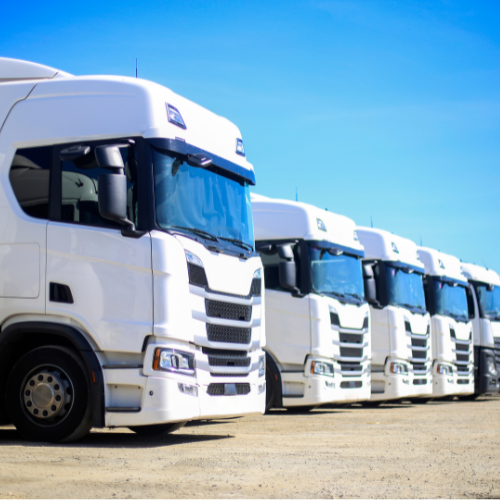
Cut out long-haul haulage: Diverting commercial waste or Refuse Derived Fuel (RDF) locally eliminates the heavy financial and environmental burden of shipping waste long distances.
Immediate logistics savings: Dramatically reduce diesel consumption, vehicle wear, and driver hours while cutting your carbon footprint.
Streamline fleet efficiency: Keep your vehicles operating locally around your primary hub, significantly lowering transport overhead and freeing up driver capacity for core collection routes.
Mitigate fuel price shocks: Minimise your exposure to volatile commercial pump prices and road transport surcharges by drastically shortening your daily operational transit distances.
Convert Waste into On-Site Energy
Stop paying just to throw waste away: Instead of treating disposal purely as a cost, a SWIP captures high-grade heat, steam, or electricity for self-use or local supply contracts.
Create a self-sustaining asset: Transform a costly waste liability into a valuable, self-consumed energy stream that enhances site resilience.
Unlock new revenue streams: Power your own industrial processes on-site or feed surplus power and heat into local supply agreements to turn your residual waste into an active commercial asset.
Achieve corporate net-zero targets: Displace fossil fuel reliance with localised energy recovery, significantly improving your environmental credentials and helping meet sustainability goals.
Start Your Journey With A Preliminary Feasibility Study
Expert collaboration: Delivered through Paul Winter Consulting Ltd (PWCL) for overall project management, in collaboration with MK Energy Consulting (Mark Knight), Technology Partners Bianna.
Low-risk entry point: Every project begins with a controlled Stage 0 Preliminary Feasibility Study to establish critical technical, financial, and risk baselines before committing major capital.
Full lifecycle control: This feeds into a structured, six-stage gated process running from feasibility through consenting, contracts, and construction up to final commissioning.
At every transition gate, you retains absolute control over capital expenditure, approving the next phase only when clear milestones are met.